
Care for injuries that interrupt an active life
Sports medicine addresses injuries and joint problems that interfere with exercise, recreation and everyday movement. You do not need to be a competitive athlete to seek care. Sean Thompson, MD, evaluates sports injuries, ligament damage and tendon conditions and provides surgical and nonsurgical treatment options.
A useful treatment plan starts with the activity you want to return to and the problem preventing it. Pain, swelling, weakness, catching or a feeling that a joint gives way can each provide clues during the evaluation.
Sudden injuries and gradual symptoms
A fall, twist or collision can cause an immediate injury. Other problems develop as an activity is repeated without enough recovery. The AAOS guide to soft-tissue injuries distinguishes sprains involving ligaments from strains involving muscles or tendons, and explains overuse conditions such as tendinitis and bursitis.
Sports medicine care addresses ACL injuries, meniscus tears, rotator cuff injuries, sprains, fractures and dislocations. The diagnosis, severity and demands of your activity guide the next step; the same symptom does not mean every person needs the same treatment.
Your evaluation and choices
Be ready to describe how the problem began, whether your training changed and which movements cause symptoms. Tell Dr. Thompson about prior injuries, treatment and any difficulty with routine activities. A physical examination and relevant imaging can help establish which structures are involved.
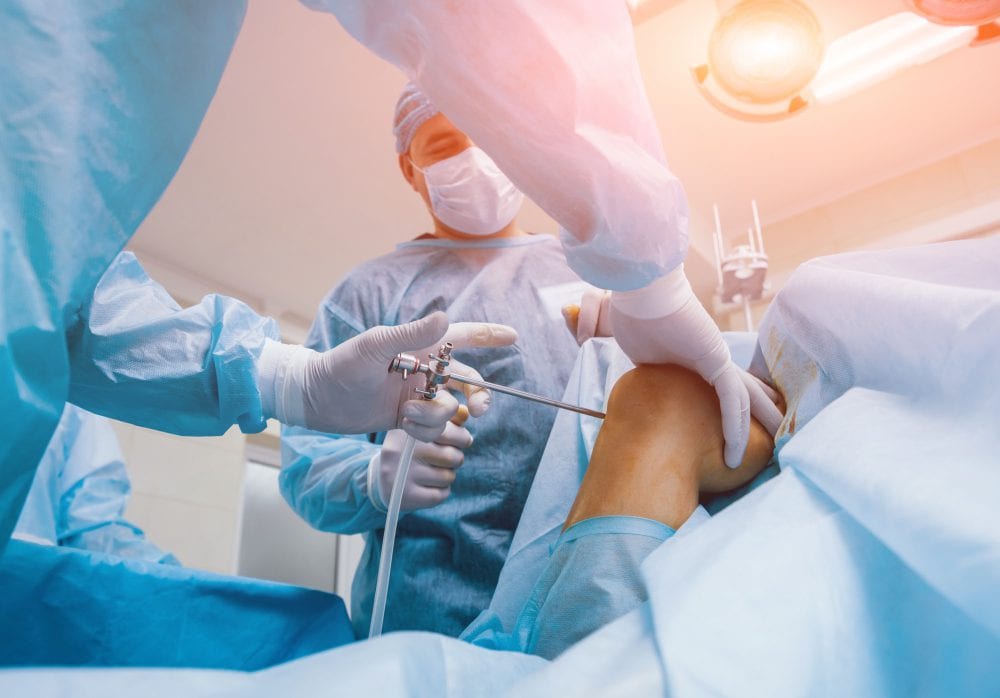
Nonsurgical orthopedic care may include activity changes, rehabilitation, medication recommendations or support for the injured area. If surgery is discussed, ask why it is appropriate and what alternatives remain. Dr. Thompson performs ACL reconstruction and knee, hip and shoulder arthroscopic surgery. The recommendation depends on your individual injury and goals.
Returning to activity
Rehabilitation and individualized recovery planning are part of care. Discuss the steps between everyday movement and the demands of your sport, including strength, flexibility and joint stability. Recovery should reflect the injury and progress rather than a fixed promise about getting back in the game.
AAOS also discusses gradual training changes, conditioning, suitable equipment and rest as ways to reduce the risk of soft-tissue injuries. Ask which changes fit your activity and what symptoms should lead you to reduce activity or seek reassessment.
Patient questions
Can I keep training while I recover?
Explain your training routine and competition or recreational goals. Ask which activities are appropriate and which should pause while your injury is assessed or treated.
Does a ligament or tendon injury always require surgery?
No single answer fits every injury. AAOS describes nonsurgical treatment for many soft-tissue injuries and surgery for some severe tears. The recommendation should follow your diagnosis and functional needs.
What should I ask if arthroscopy is recommended?
Ask exactly what will be done, what protection or rehabilitation follows, and how the proposed procedure relates to your goals. Our arthroscopy guide explains that discussion in more detail.
Practice treatment video
Related patient guide
Before your consultation, use our first orthopedic appointment checklist to organize your injury history and activity goals.