
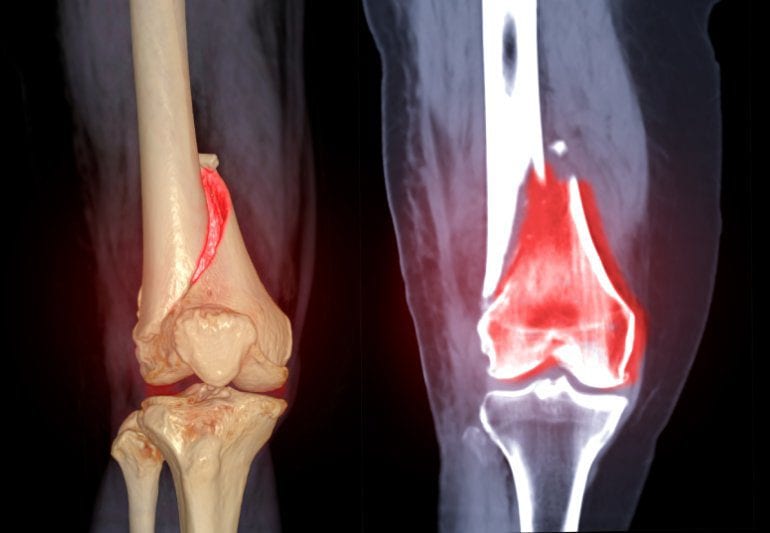
Evaluation after a sudden injury
Orthopedic trauma involves injuries to bones, joints and soft tissues after a fall, collision, accident or other sudden force. Pain, swelling, bruising or difficulty using a limb can affect even simple daily tasks. Sean Thompson, MD, provides evaluation and treatment of fractures and traumatic orthopedic injuries, including fracture care and reconstruction.
An appointment is a way to understand the injury and plan care or follow-up. It does not replace emergency assessment for a serious acute injury. A suspected fracture needs prompt medical care; an open wound over a fracture is particularly urgent because of infection risk, as explained in the AAOS fracture guide.
What the evaluation considers
Tell Dr. Thompson how the injury happened, when symptoms began and whether you have already received emergency care. Bring available imaging, discharge instructions and information about any splint, cast or earlier treatment.
The examination may assess pain, swelling, tenderness, motion, strength, stability and ability to bear weight. Imaging may provide more information about the bones and joint structures. The aim is to identify what has been injured and whether it is stable enough to heal with protection or requires another approach.
Nonsurgical and surgical treatment
An injury does not automatically require an operation. Depending on the diagnosis, care may include temporary immobilization, activity changes, medication recommendations, physical therapy and follow-up.
AAOS explains that some fractures can be held in position with a cast or brace, while others require surgical fixation to maintain alignment. The treatment depends on the location and pattern of the break and the condition of surrounding tissues. Ask why the recommended approach fits your injury and what the alternatives would involve.
Healing and rehabilitation
Recovery includes protecting the injured area and gradually restoring function when it is appropriate. Pain improvement alone does not establish that a bone has healed enough for unrestricted use. AAOS notes that stiffness and weakness can follow immobilization and that rehabilitation may be needed.
Ask for clear instructions about weight-bearing, lifting, work and exercise. Recovery planning is individualized; the pace depends on injury severity, treatment and your progress. Follow-up helps reassess healing and determine when restrictions can change.
Patient questions
Can I walk on an injured leg?
Follow the instructions from your treating clinician rather than testing the injury yourself. Ask whether you need a walking aid and how much weight, if any, you may put on the leg.
What if an injury is still painful after initial care?
Bring details of the initial diagnosis and treatment to a follow-up evaluation. Continuing pain, stiffness or difficulty using the limb is a reason to discuss whether further assessment is needed.
When can I return to sports or physical work?
Describe the demands of your activity. Ask how healing, strength and movement will be assessed before you return and whether a gradual progression is needed.