
When hip pain changes everyday life
Hip pain can interfere with walking, dressing, getting out of a chair or sleeping comfortably. A hip evaluation helps identify the cause and determine whether nonsurgical treatment, reconstruction or replacement is appropriate. Sean Thompson, MD, provides personalized evaluation and treatment for hip pain and degenerative joint disease.
Hip replacement is one option for a damaged joint. It is not the first step for every person with hip pain, and the decision should account for your symptoms, overall health and goals.
What hip replacement treats
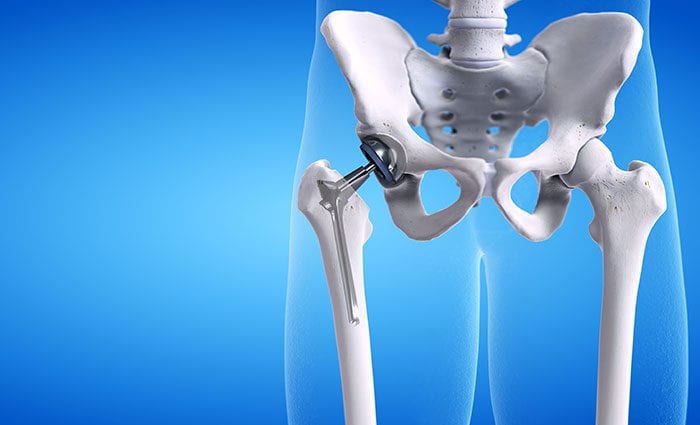
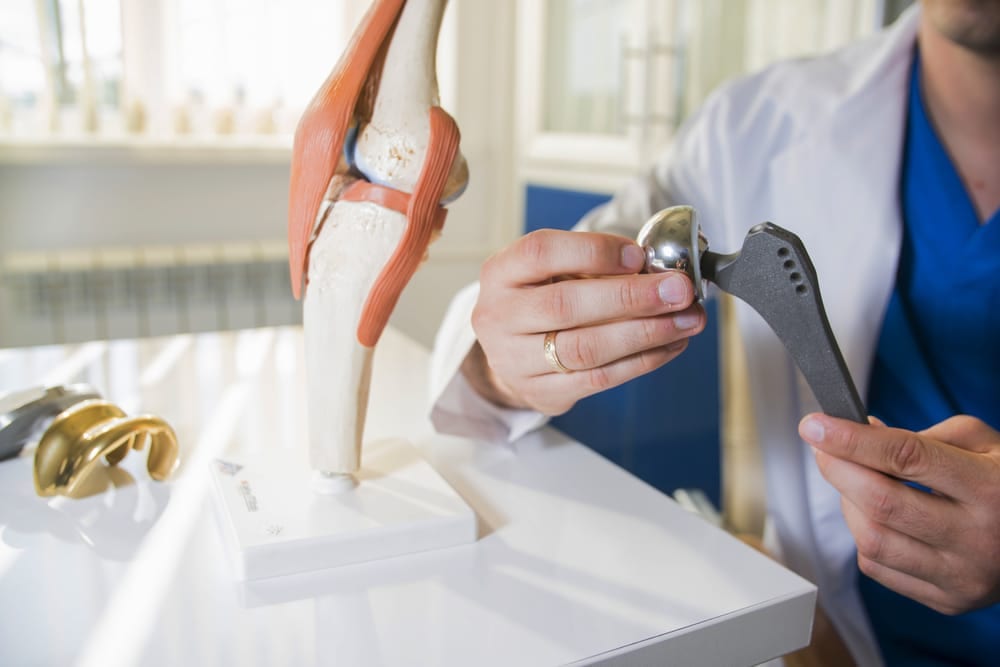
The hip is a ball-and-socket joint. In total hip replacement, damaged bone and cartilage are replaced with an artificial ball and socket. Arthritis, some fractures and loss of blood supply to the femoral head can damage the joint. The AAOS total hip replacement guide explains these conditions and the procedure.
Arthritis, hip fractures, avascular necrosis and previous hip surgery are among reasons for an evaluation. Having one of these diagnoses does not automatically mean replacement is necessary.
Your evaluation and treatment choices
Tell Dr. Thompson where you feel pain, when it occurs and how it affects your daily activities. Your history, physical examination and imaging help guide the recommendation. Bring information about prior hip treatment or surgery and the medicines you take.
Depending on the diagnosis, care may include activity changes, physical therapy, medication recommendations or a walking aid. If these measures no longer provide enough relief, the consultation can explore replacement or another surgical approach. Ask what problem each option addresses, what improvement is realistic and what could happen if you continue nonsurgical care.
Preparing for recovery
Rehabilitation and follow-up are part of treatment. Recovery support and appropriate rehabilitation help you work toward daily activity goals. Before surgery, discuss help with meals, bathing, transportation and stairs, as well as the equipment or home changes you may need.
AAOS describes walking progression, exercises and precautions tailored to the surgical approach. Ask about your specific movement restrictions; advice about bending or crossing your legs is not identical for every patient. The same guide discusses risks such as infection, blood clots, dislocation, leg-length differences and implant wear. Your surgeon can explain how those risks relate to your health.
Patient questions
Does hip pain always come from the joint?
Other possible causes include bursitis, muscle strain and tendon injuries. An examination helps distinguish these problems from damage inside the joint so treatment addresses the cause.
How long will I need help?
The amount of support depends on your health, mobility, procedure and home setup. Discuss your living situation before surgery and ask how progress will determine the next step.
When can I drive or return to work?
Bring details about your commute and job duties. Ask for individualized guidance based on your recovery, medication use and ability to carry out those tasks safely.
Practice treatment video
Related patient guide
Use our hip replacement preparation checklist to plan home support, transport, and questions for your surgical team. For a specific recovery concern, read when you can drive after hip replacement.