
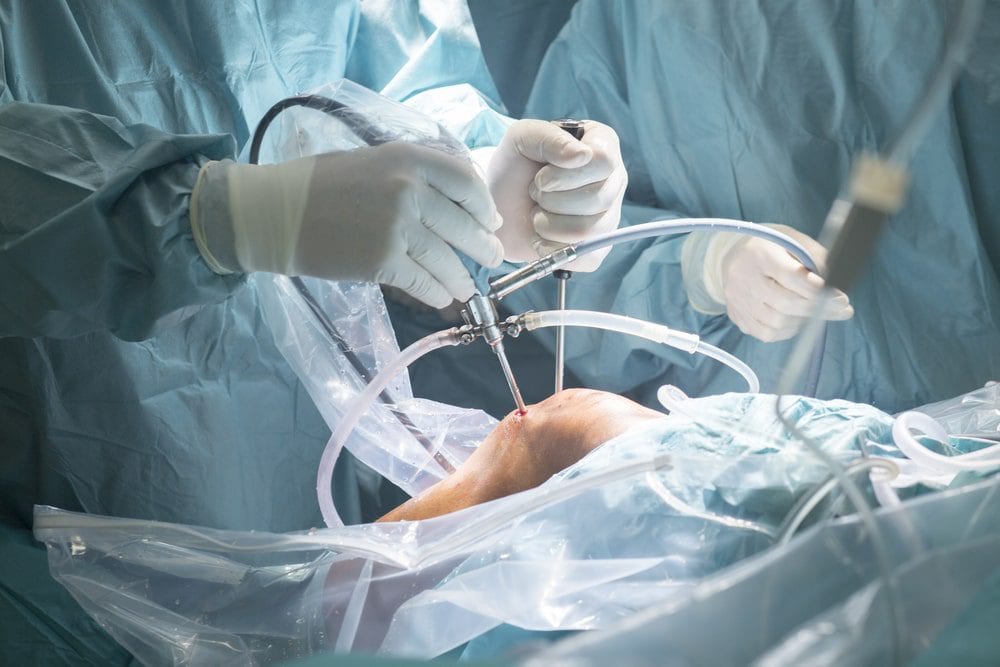
A starting point for bone and joint concerns
General orthopedics focuses on problems affecting bones, joints, muscles, ligaments and tendons. Sean Thompson, MD, provides evaluation and individualized surgical and nonsurgical care for concerns such as joint pain, arthritis, fractures, tendon problems and sports injuries.
You do not need to arrive with a diagnosis. Persistent pain, swelling, stiffness or difficulty moving can be reasons to seek an evaluation. The first step is understanding the problem and its effect on your daily life.
Making sense of symptoms
Symptoms can follow an injury or build gradually. Orthopedic evaluation considers both traumatic injuries and degenerative conditions. Similar complaints can have different causes, so treatment should follow an evaluation rather than a symptom label alone.
For example, the AAOS soft-tissue injury guide explains that ligaments, tendons and muscles can be injured by sudden trauma or repeated stress. This is general educational context; an examination is needed to identify the cause of your own symptoms.
What to expect at the consultation
Your appointment includes a review of your medical history, a physical examination and imaging such as X-rays or an MRI when needed. Describe where symptoms occur, how they began, what makes them worse and which activities have become difficult. Mention previous injuries or operations and what you have tried so far.
Bring a medication list and any relevant reports or images you already have. Your priorities matter too: walking comfortably, working, sleeping and returning to exercise can each shape the discussion.
Comparing treatment options
Treatment may include physical therapy, lifestyle and activity changes, pain management and surgical treatment where appropriate. A recommendation should explain the diagnosis, the intended benefit and the demands of the plan. Ask how long to try a treatment before reassessing and what signs would mean it needs to change.
If your evaluation points toward a particular condition, more focused information may help. Explore arthritis treatment for ongoing joint pain and stiffness, sports medicine for activity-related injuries, or orthopedic trauma for fracture and injury care. Our joint replacement guide explains the conversation when a damaged joint remains painful despite nonsurgical care.
Follow-up and practical expectations
Recovery and symptom management vary by condition. Follow-up provides an opportunity to review progress and adjust treatment. Ask which activities you can continue, whether rehabilitation is recommended and what improvement you should look for in daily tasks. A useful plan gives you a clear next step without promising a particular outcome.
Patient questions
Does seeing an orthopedic surgeon mean I need surgery?
No. The practice offers both surgical and nonsurgical care. The consultation is an opportunity to establish the diagnosis and compare suitable choices.
Will I need an MRI?
Not every concern requires the same tests. Examination findings and the suspected diagnosis help determine whether imaging is needed and which type is useful.
What if I have already had treatment?
Bring information about what helped, what did not and any previous imaging or surgery. That history can inform the next recommendation and help avoid repeating the same conversation without context.
Related patient guide
Preparing for a visit? Use our first orthopedic appointment checklist to organize your symptoms, records, and questions.